

GET CONSULTATION
By filling out the form below, you can get detailed information about onezite surgery surgery processes.
Prof. Dr. Taner YİĞİT
OBESITY SURGERY
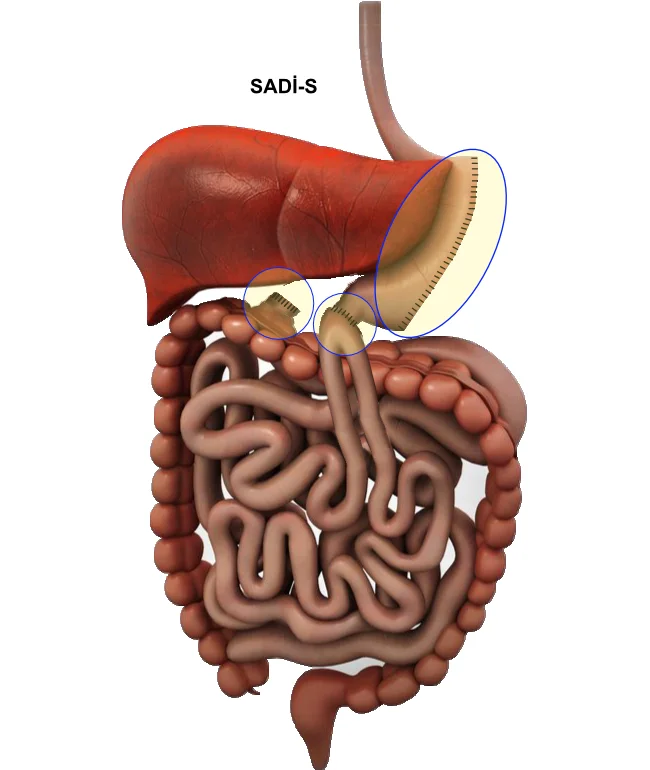
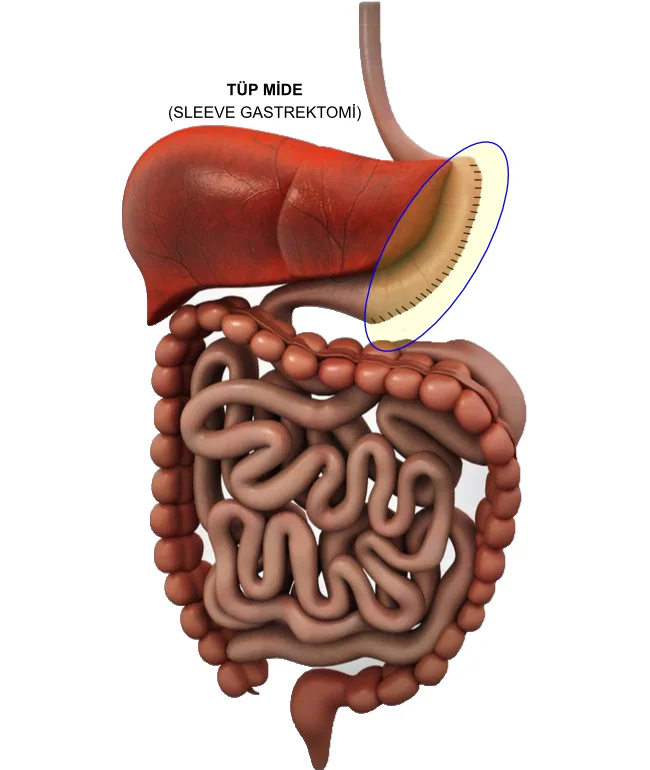
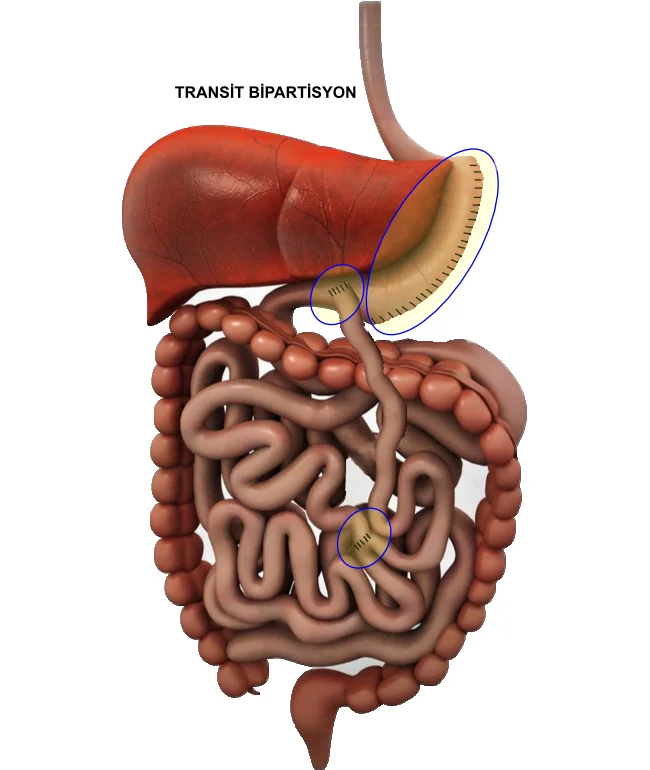
Weight loss surgery (bariatric surgery) is a surgical procedure that aims to achieve weight loss by changing the anatomy of your digestive system. This procedure is applied to patients who meet certain conditions in cases where non-surgical weight loss methods such as diet, exercise and drug usage are ineffective.
Some of the surgical weight loss methods aim to reduce the amount of food you eat, while others aim to reduce both the amount of food and the absorption of the food eaten. Which method will be suitable for you will be decided by me based on the results of pre-operative interviews, examinations and laboratory tests.
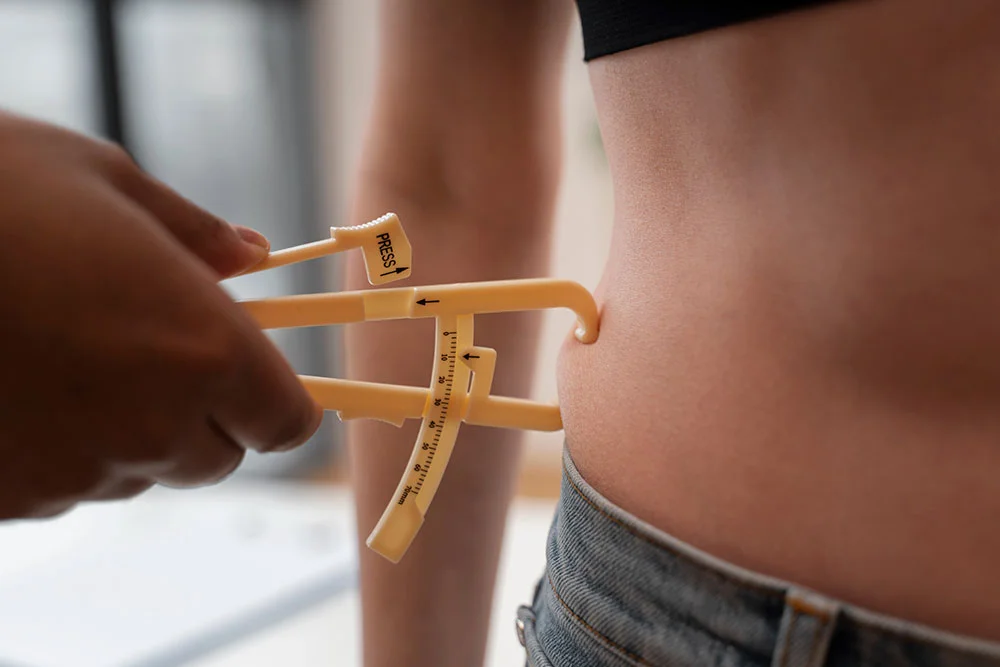
Calculate BMI
BMI
Normal
Who is it applied to?
Your Body Mass Index (BMI) is a commonly used value to assess your suitability for surgery. Your BMI value is obtained by dividing your weight in kilograms by your height in meters and then dividing the resulting value by your height in meters.
BMI = Weight(kg) / Height(m) / Height(m)
Basically, weight loss surgery is applied to the following patient groups:
People with a BMI of 40 and above.
People with a BMI between 35 and 40 and a disease that develops due to excess weight (hypertension, heart disease, type-2 diabetes, sleep apnea, joint disease, etc.).
People with a BMI between 30 and 35 may be candidates for weight loss surgery if they have a life-threatening weight-related comorbidity, uncontrolled Type-2 diabetes and if it is determined that they cannot lose weight with medical methods.
What preparations are required before surgery?
The sine qua non of a safe surgery is passing through a thorough and comprehensive patient evaluation before the operation.
For this purpose, the first step to be planned is a detailed patient-doctor consultation.
Following this consultation, your doctor will:
- Obtain your physical data (height, weight, BMI, etc.),
- Learn about your expectations from the surgery,
- Understand the physical and psychological damages caused by obesity,
- Be aware of your comorbidities related to obesity,
- Decide whether you can adhere to certain rules and lifestyle changes that will be required post-surgery,
- Make a preliminary decision about whether you are suitable for this surgery by providing a general assessment of your overall health status.
The next step is to conduct a detailed preoperative assessment in the hospital.
At this stage
- Detailed Blood Tests
- Abdominal Ultrasonography
- Gastric Endoscopy
- Chest X-Ray
- Pulmonary Function Tests
- Doppler Ultrasound of Your Veins in Case of Doubt
- ECG, Echo Cardiography
- Cardiologist Examination
- Internal Medicine Specialist Examination
- An Anesthesiologist Will Assess Whether You Are Suitable for a Safe Operation
How is it done?
Thanks to modern surgical techniques, these surgeries are now routinely performed using laparoscopic surgery. In laparoscopic surgery, your abdomen is not opened to access the surgical area.
Your abdomen is inflated with CO2 gas, and 4-6 tubes called trocars of various diameters (ranging from 5mm to 15mm depending on the type of surgery and the surgeon’s preference) are inserted into your abdominal wall. Surgical instruments are then inserted through these tubes to reach the organs where the surgery will take place and perform the operation.
Although laparoscopy is the most commonly used method as a routine procedure nowadays, robotic surgery is also an alternative surgical method.
Occasionally, these surgeries may also be performed using open surgery. Open surgery is a method that can be applied after any problems that may arise during laparoscopy or robotic surgery.
It should be noted that every closed method (laparoscopic or robotic) has the potential to convert to open surgery.
What preparations are needed before hospitalization?
Since your surgery is a surgical procedure on the digestive system;
In general, it is useful to start consuming watery food 1-2 days before the operation to ensure that your intestines are empty during the operation and that your toilet needs are later and easier afterwards.
If you are taking blood thinners, you should warn your doctor about this and give your doctor time to stop these drugs and start alternative drugs instead.
There is no harm in using the medicines you must use routinely, except for blood thinners, until the night of surgery. Blood pressure medication and heart medication can be taken with a little water on the morning of the day of surgery, at least 2 hours before the operation, with the knowledge of your doctor.
If you are a smoker, it is necessary to quit smoking at least 1 week before the operation or to reduce it to the minimum possible level. This will directly affect your lung performance after surgery.
The night before the operation, you should stop all solid or liquid food intake around 22:00–23:00 and be ready with at least 6 hours of fasting on the morning of the operation.
Before the operation, take a bath at home before hospitalization. Remember that you will not be able to take a bath for at least 2 or 3 days.
Do not wear nylon underwear to the hospital, and remove your metal jewelry, such as piercings, earrings, and necklaces, before surgery. Nylon underwear and metal jewelry may interact with some electrical devices used during surgery and cause skin burns.
It is useful to bring slippers, personal cleaning supplies (toothbrush, toothpaste, shaving kit, etc.), and sufficient underwear with you to the hospital.
How long will I stay in the hospital?
Although your hospital stay is affected by many factors, such as whether you were admitted to the hospital the night before the surgery or the morning of surgical day and your postoperative health status, it is usually 3–4 nights.
What will happen during my hospital stay?
If you have been admitted to the hospital the night before the operation, you should use a blood thinner for preventive purposes in the hospital, and if you will be admitted the morning of the operation, you should use a blood thinner at home the night before the operation. This treatment will be planned and administered by us. Before going down to the operating room on the morning of the operation, you should go to the toilet and take care of your needs. The time between being taken from your bed for surgery and returning to your bed will vary depending on the surgery to be performed, but it will usually be a time period of 3-4 hours.
Not all this time is spent on the surgery itself; it includes the preoperative period in the operating room, your surgery, and the awakening process after surgery. Usually, you will be transferred to your bed in the ward after surgery, and intensive care is not needed in postoperative hospital stay. The process in the days following the surgery unfolds as follows:
Day of Surgery
Approximately 4-5 hours after returning to your bed, you will be assisted in taking your first walk within your room. On the day of surgery, all treatments are administered intravenously, so food intake is not permitted.
Day 1 Post-Surgery
Today is the day of beginning of sipping water gradually. You are allowed to drink about half a glass of water per hour throughout the day. During the day we encourage you to increased walking and have a more active day.
Day 2 Post-Surgery
Today, if deemed appropriate, we are taking out the drain placed to your abdomen. You are allowed to consume some liquid foods without particle such as soup, compote, and fruit juice. This period marks the initiation of oral intake. After the drain is removed, you are allowed to take a shower. Again, regular walks will be beneficial.
Day 3 Post-Surgery
Assuming everything is well, day 3 is when discharge planning occurs. If there are no issues with food intake and no complications related to surgery, we will discharge you on the third day after surgery.
When can I return to normal work life?
The time it takes to return to your normal life is highly dependent on the type of work you do. If you have a desk job, you may be able to resume work within 3–4 days after discharge from the hospital. However, the standard resting period for this occupational group is around 7 days. If you have a physically demanding job, you may need a rest period of 10–15 days before returning to work.
How will the follow-up process be performed?
After discharge from the hospital, you will have routine check-ups every three consecutive months for the first postoperative year. These check-ups can be performed online, so there is no need to come to Istanbul.
Frequently Asked Questions
Weight loss surgeries are serious procedures that alter the normal anatomy of the digestive system and should not be the primary option. Patients should have genuinely tried non-surgical methods such as diet and exercise first. Weight loss surgery is performed on patients who, despite all sincere efforts, cannot lose weight on their own and have exceeded certain limits of obesity. This limit is having a body mass index (BMI) of over 40 kg/m². However, patients with a BMI between 35-40 kg/m² may be candidates for weight loss surgery if they have at least one comorbidity related to obesity. For patients with a BMI between 30-35 kg/m², in some cases, if there is a life-threatening comorbidity related to obesity, such as uncontrolled type 2 diabetes, and/or if it is determined that weight loss cannot be achieved through medical methods, individuals with a BMI between 30-35 kg/m² may be candidates for weight loss surgery.
Diabetes surgeries are treatment methods applied to patients diagnosed with type 2 diabetes. There is currently no surgical treatment option available for type 1 diabetes. To benefit from this surgery, you need to have type 2 diabetes, a certain level of insulin resistance in your body, and most importantly, sufficient insulin reserve in your pancreas. To clarify your suitability for surgery, we conduct various tests that directly affect the success of the surgery, such as pancreatic insulin reserve and vitality, insulin resistance status, for patients we plan diabetes surgery.
The detailed answer to this question can be provided after evaluating various factors such as your current overweight status, the presence of comorbidities related to obesity (such as type 2 diabetes, hypertension, sleep apnea, joint disorders, etc.). As a general rule, for patients with only a weight problem, basic surgeries such as sleeve gastrectomy are recommended, while for patients with comorbidities such as type 2 diabetes, hypertension, more complex surgeries that have a greater metabolic effect and involve both the stomach and small intestines are recommended. In summary, since each patient has unique characteristics, we shape the type of surgery and treatment plan after examining the patient.
Your desire to have surgery with us and your trust in us are a source of honor and pride for us. You can reach us through the forms on our website www.drtaneryigit.com and our social media accounts, as well as the contact numbers provided on these platforms.
Detailed information on this topic is provided for each type of surgery under the options on the “Treatments” page of our website. Before surgery, certain assessment tests should be conducted to identify and take precautions against any specific risks you may encounter during and after the surgery. Cardiology, anesthesia, and internal medicine specialists routinely evaluate you. Additionally, depending on the need, specialists from various branches such as gastroenterology, endocrinology, chest diseases, and psychiatry will assess and examine you before the surgery, and once they have provided their feedback on your surgery, the surgical planning phase will begin.
After completing your outpatient tests and preparations, we admit you to the hospital either one day before the surgery or on the morning of the surgery day.
The duration of the surgery varies depending on the type of surgery to be performed, but on average, it ranges from 45 minutes to 3 hours. This duration refers to the actual surgical time. However, the time between leaving your room for the operating room and returning to your room is longer. This increase in time is due to the additional time spent in the preoperative preparation area and the postoperative recovery room. After waking up in the operating room, we transfer you to your bed as per routine practice. Depending on your cardiac and pulmonary reserves and your recovery from anesthesia, you may occasionally need to stay in the intensive care unit for 1-2 days. After spending approximately 2-4 days (average 3 days) in the hospital post-surgery, and once we consider you are free from all surgical risks, we discharge you.
We ask you to stand up and walk 6-8 hours after the end of your surgery. First, walking and movements that start with support and at short distances will continue with an increase. Since you will be operated laparoscopically, you will be able to meet almost all your personal needs on your own on the morning of the day following the surgery. In very rare cases, if your surgery needs to return to open surgery, you may need to receive companion support for 1-2 days after surgery. Afterwards, being increasingly mobile will contribute to your recovery.
Although it is not necessary to have a lot of companionship in surgeries that start with laparoscopic surgery and end with laparoscopic surgery, it will be beneficial in terms of both physical and moral motivation for a companion to support you after the surgery. After you leave the hospital, you can do many things on your own, but it will be useful to have someone around you to help you in the first week.
This depends on the work you do. You can start light desk work about a week after the surgery, and you can start working physically in the 10-15 days following the surgery.
Make sure you take a bath before the surgery. You may feel the need to take a shower in the hospital after the surgery. In this case, it is possible to take a shower by covering the incision sites with special tapes. One day after you are discharged, you can shower normally at home. The wound sites are airtight and waterproof from the moment you are discharged. You can use shampoo, body lotion and soap. For 3 months we do not recommend bathing in the bathtub.
About
Prof. Dr. Taner YİĞİT
Bariatric surgery is not just an operation; it is a journey that changes your future life.
In this challenging process, it is critical to trust the right doctor and team. In this process, me and my teammates offer you reliable guidance with our professional experience.
In this warm and supportive environment, you can safely take steps to regain your health. Like we say, “Believe in Change” …

Meet Our Team
Our team, consisting of a competent and experienced staff, works meticulously to plan and carry out optimum treatment procedures for you at every stage of your process.

Ayça KAYADİBİ
Spanish Patient Coordinator

Fahri AÇAR
International Patient Coordinator

Hatice ÜNALP
Dietician

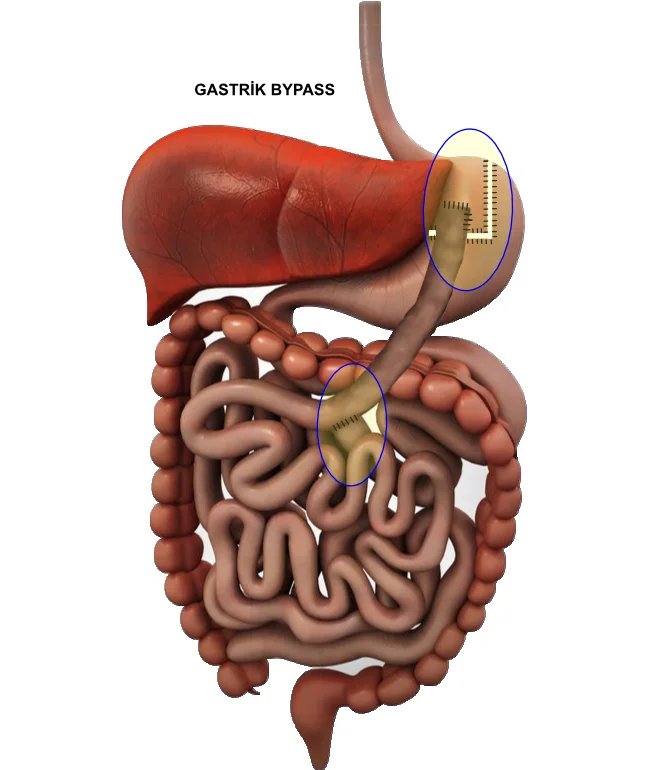
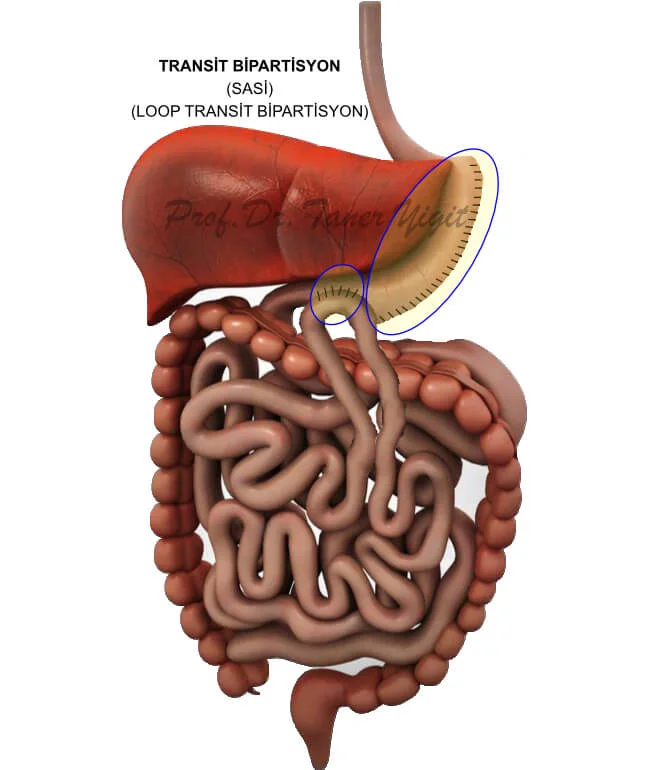
Prof. Dr. Taner Yigit
With Numbers
30
Years of Professional Experience
25
Different Treatment Method
37
Patient Applications from Different Countries
1000+
Happy Patient
GET CONSULTATION
By filling out the form below, you can get detailed information about onezite surgery surgery processes.

Bariatric surgery is not just an operation, it is a journey that changes your future life.
Quick Menu
Contact Information
Services are provided within the scope of health tourism activities.
Results may vary from person to person for any surgical or interventional procedure. It is recommended that you consult your doctor for detailed information before the procedure.
All branch, treatment, and application information on this site is provided solely for the purpose of informing patients. Please consult your physician for a detailed diagnosis and treatment.
Update Date: November 23, 2025, 5:00 PM Editor Name: Mert İNAN, +90 532 303 33 23